Are Robot Mowers Worth It? Run the Numbers Before the Vibes
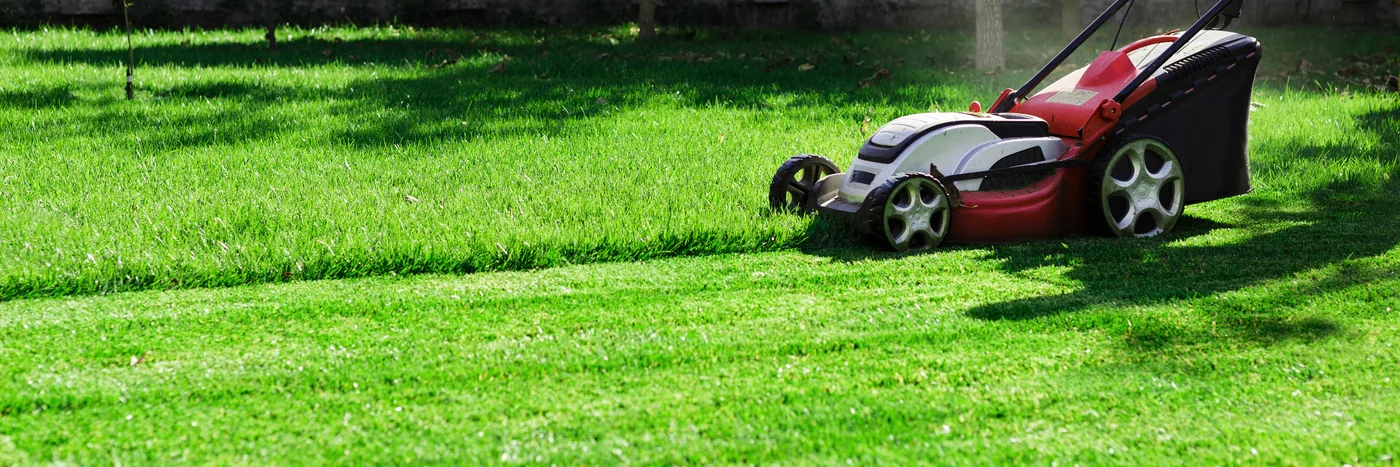
Short answer: if you currently pay a lawn service, a robot mower usually pays for itself in one to two seasons. If you mow your own lawn and don't mind it, the math is much softer and the honest sell is time, not money. Here's the full accounting, including the costs the category doesn't advertise.
What You're Paying Now
Across most of the US, a lawn service runs $40 to $65 per cut, and a typical mowing season is 25 to 30 cuts. That's $1,000 to $2,000 per year, every year, forever. It's the kind of recurring expense that hides in plain sight because it arrives $50 at a time.
If you mow yourself, your costs are smaller but not zero: gas, maintenance, and eventually replacing the mower. Call it $100 to $200 a year for a gas walk-behind. The real cost is your Saturday: at 45 minutes per cut across 28 cuts, you're spending roughly 21 hours a season pushing a mower, plus edging and cleanup.
What a Robot Mower Actually Costs
| Cost item | Amount | Notes |
|---|---|---|
| The machine | $800-4,300 | $799 (Navimow i105N) to $4,299 (Husqvarna 440iQ). Most buyers land between $1,000 and $2,500. |
| Replacement blades | $20-60/year | Pivoting razor blades need swapping every 4-8 weeks in season. See the maintenance guide. |
| Electricity | $10-40/year | These sip power. Even daily mowing on a big lawn is cheap to run. |
| Battery replacement | $100-300, years 4-6 | Lithium packs degrade. Budget for one replacement over the machine's life. |
| Your remaining labor | Not zero | Edge trimming (unless you buy the Goat A3000), cleaning, seasonal storage. |
All-in, a mid-range machine spread over a 5-year life runs roughly $410 to $460 per year including consumables and power.
The Payback Math, Three Ways
Case 1: You pay a lawn service today
Service at $1,200/year versus robot ownership at about $450/year means a $1,500 to $2,000 machine pays for itself in under two seasons. After that you're keeping roughly $750 or more per year. This is the strongest case in the category, and it gets stronger as your lawn gets bigger, because service prices scale with acreage faster than mower prices do.
Case 2: You mow your own lawn and hate it
You're buying back about 21 hours a season plus the mental load of scheduling around weather. Whether that's worth $1,000 to $2,500 up front is a personal number, not a spreadsheet number. Price your Saturday honestly and the answer falls out. One real benefit that doesn't show up in dollars: robot mowers cut a little grass every day or two, and frequent light cutting genuinely produces denser, healthier turf than weekly scalping. Your lawn will look better. That part isn't marketing.
Case 3: You mow your own lawn and don't mind it
Then a robot mower is a luxury, and you should buy it the way you'd buy any luxury: because you want it, not because a payback story justified it. The math doesn't beat $150 a year in gas and blades for a decade. We'd rather tell you that than sell you a rationalization.
The Costs Nobody Mentions
The edge strip. Most robot mowers leave an uncut band along fences and walls. You'll still string-trim every week or two, or pay for the one machine with a built-in trimmer. Budget the time or the money.
Yard prep. Robot mowers don't pick up branches, toys, or hoses. Someone still walks the lawn. It's five minutes, but it's not zero minutes.
The learning season. Expect a few weeks of boundary tweaks, stuck spots, and app fiddling before it's truly hands-off. Owners who quit on these machines almost always quit in month one.
Theft anxiety. Most 2026 machines have GPS tracking, PIN locks, and alarms, and actual theft is rare. But it's a $2,000 object sleeping in your yard, and some people never get comfortable with that.
Our Verdict
Paying a service? Buy the robot. Payback in 12 to 24 months is about as clean as consumer-purchase math gets. Size it right with our small yard or large yard guides.
Mowing yourself and resenting it? Worth it if the sticker doesn't hurt. Start at the value end: the Navimow i110N makes the experiment cheap enough to be reversible.
Mowing yourself contentedly? Keep your money, enjoy your Saturdays, and come back when your knees vote differently.
One More Honest Note
Robot mowers are at the steepest part of their improvement curve since the category began. The 2026 wire-free generation is dramatically better than what was sold three years ago, and prices at the entry level keep falling. If you're on the fence with a small, easy lawn, waiting costs you little. If you're paying a service on a big lawn, waiting costs you $100+ every month. Act accordingly.